General
Filming Tours in Pakistan – 18 Days (2026-27)
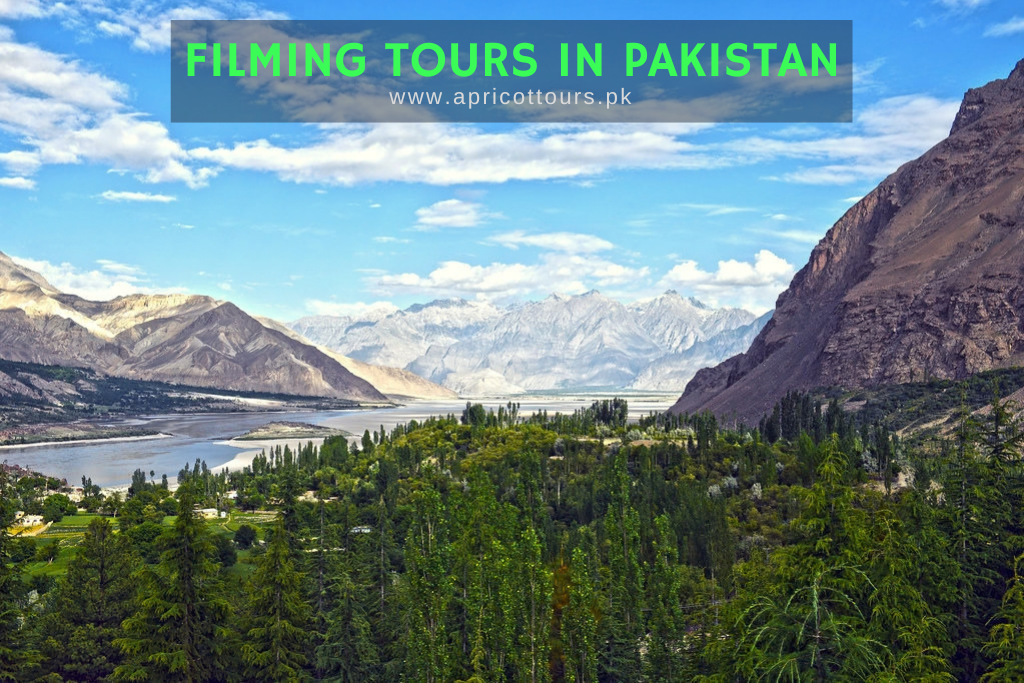
Filming tours in Pakistan provide filmmakers with unparalleled access to mountains, heritage sites, traditional people, and lively cities. Furthermore, the voyage connects other locations in Chitral, Hunza, Skardu, and Lahore. Crews can document stunning vistas, historic architecture, local traditions, and everyday life. Furthermore, specialized production support enhances filming logistics throughout the process. As a result, Pakistan offers tremendous visual diversity for documentaries, advertisements, travel films, and creative projects.
In addition to this tour, we also offer the following Photography Tours in Pakistan, as shown in the table below.
WordPress Tables Plugin
Itinerary – Filming Tours in Pakistan
The itinerary for the Filming Tour in Pakistan is given below.
On this Day
Arrive in Islamabad and kick off the filming journey with a production briefing, equipment check, permit review, and location orientation. The film chose metropolitan landscapes with modern buildings, vast roads, public areas, markets, and the Margalla Hills backdrop. The crew might also look for contrasts in Rawalpindi's street surroundings, traditional bazaars, transportation scenes, and regular urban life. This first day establishes visual motifs while clarifying logistics for the road ahead.
On this Day
Continue filming in Islamabad and Rawalpindi, with a focus on architecture, civic areas, local markets, crafts, transportation, and human-interest aspects. The team can create establishing shots that contrast planned Islamabad with the bustling commercial character of Rawalpindi. Additional filming options include roadside cuisine, workshops, neighborhood streets, and panoramic city views. Before the trip travels to archeological and mountain sites, production staff can negotiate interviews, releases, and other necessary permissions.
On this Day
Travel to Taxila for a dedicated heritage filming day in one of Pakistan's most significant archeological environments. Film museum collections when permission is granted, Buddhist relics, ancient village locations, stone buildings, and broader environmental shots that connect archeology to the surrounding hills. Taxila exhibits various historical periods and influences, making it an excellent source for films on the Silk Road, Buddhism, archeology, and early urbanization. Return to Islamabad after finishing the intended filming sequence.
On this Day
Travel from Islamabad to Chitral over different valleys, mountain highways, settlements, rivers, and roadside scenery. The voyage itself offers valuable video of regional transportation, rural settlements, roadside trade, and the change from the plains to the Hindu Kush. Planned stops can help establish shots and conduct brief interviews when appropriate. Upon arrival in Chitral, examine the following locations and coordinate community access for filming in Chitral town and the Kalash valleys.
On this Day
Film Chitral and its surroundings, focusing on the Chitral River, mountain scenery, bazaars, traditional architecture, crafts, and local daily life. Production may contain interviews with certified local resource individuals as well as sequences depicting the region's cultural identity. The team may also scout views and historical sites for larger establishing shots. Complete community coordination before heading to the Kalash valleys, where respectful filming methods and local consent are extremely vital.
On this Day
Travel to Bumburet Valley and begin filming the Kalash region's scenery, towns, traditional buildings, agricultural terraces, crafts, and cultural surroundings. Before filming people, ceremonies, residences, or sensitive cultural activities, consult with local guides and community contacts to gain consent. The valley provides excellent documentary material due to its mountain landscape and unusual architectural environment. Maintain an observational and respectful filming technique, with local participants guiding appropriate access and narration.
On this Day
Continue filming throughout the Kalash valleys, with potential coverage in Rumbur and Birir dependent on road conditions, permissions, and production objectives. Photograph hamlet architecture, farmed slopes, woodlands, streams, traditional crafts, and larger natural scenes. Interviews can go into local history, language, agriculture, and cultural continuity if participants agree. Avoid staging intimate rituals only for the camera. Return to Chitral once the planned cultural and landscape coverage is completed within the allowed filming framework.
On this Day
On the seasonal road connecting Chitral and Gilgit-Baltistan, depart and travel toward Shandur Pass. Along the way, capture footage of shifting mountain vistas, river valleys, distant settlements, grazing areas, road travels, and high-altitude sceneries. Shandur features wide plateau vistas and a clear geographical transition between areas. Continue toward Phander Valley, recording specific travel sequences along the route. This trip is best arranged when the road and weather conditions allow for safe seasonal access.
On this Day
Spend the day filming Phander Valley, including its river, lake, agricultural fields, villages, mountain views, and peaceful rural settings. The valley is ideal for wide establishing shots, environmental narration, agricultural scenes, and community-based documentary sequences. Consult with residents before filming identifiable people or private property. Additional footage may include local transportation, traditional livelihoods, bridges, and the shifting relationship between settlement and terrain. After you've finished recording at the main places, head toward Gilgit.
On this Day
Travel through Gilgit to Hunza, using the Karakoram Highway corridor as a key visual element in the production. Film mountain routes, river confluences, wayside communities, geological formations, and panoramic views of the Karakoram environment. Once in central Hunza, scout Karimabad and the adjacent areas for the following sequences. The region encourages stories of mountain villages, heritage, tourism, trade routes, and adaptability to a striking high-altitude environment.
On this Day
Hunza's main filming locations include Karimabad, traditional towns, terraced farms, mountain vistas, bazaars, and heritage architecture. Subject to site clearances, the crew can film exterior and interior sequences at historic forts and other protected areas. Interviews may focus on local history, crafts, cuisine traditions, tourism, and changing community life. Use larger landscape images to connect settlement patterns to the surrounding Karakoram peaks, resulting in visual continuity between cultural and natural themes.
On this Day
Continue to Upper Hunza to film around Gulmit, Passu, Hussaini, and the surrounding areas. Capture the Passu Cones, Karakoram Highway, suspension bridge environs, communities, agricultural land, glacier scenery, and mountain passageways. The region offers excellent material for travel, climate, infrastructure, culture, and adventure films. Before employing drones to shoot sensitive infrastructure, make sure you coordinate thoroughly. Local interviews provide context for village life, tourism, agriculture, mobility, and environmental change in Gojal.
On this Day
Travel from Hunza to Skardu, shooting portions of the mountain trek where halting is safe and permitted. The road features dramatic river sequences, exposed rock formations, tiny valleys, bridges, towns, and expansive Karakoram vistas. Production can concentrate on road trips and geographical transitions rather than intense location work. Arrive in Skardu and conduct a quick scouting circuit to discover ideal perspectives, lakeside environs, heritage sites, and production access for the next days.
On this Day
Film around Skardu, blending urban images with nearby mountain, river, desert, and lake locations according on production priorities. Possible sequences include local bazaars, traditional food, craft activity, agricultural settlements, lakeside vistas, and panoramic views of the Skardu basin. The region's high-mountain desert landscape contrasts with Hunza and Chitral. Prior to deploying equipment for specialist aerial or commercial work, coordinate any protected-site, drone, or restricted-location filming separately.
On this Day
Travel to Shigar Valley for concentrated historical and landscape filming. Document the journey through farmed areas, traditional communities, river scenery, mountain cliffs, and the chilly desert environment. Subject to permission, Shigar Fort can give extensive architectural footage of stone, timber, courtyards, renovated interiors, and traditional Balti design. Additional sequences may focus on village life, orchards, crafts, and local interviewees. Return to Skardu after finishing the main Shigar production plan.
On this Day
Continue through Baltistan to Khaplu, filming communities, river corridors, farmed terraces, mountain landscapes, and traditional architecture. In Khaplu, focus on heritage sites, local streets, community life, crafts, and the royal complex, where filming permission is granted. The setting lends a quieter architectural and cultural depth to the production. Interviews can delve into Balti traditions, conservation, food, and local history, while wider shots show the immensity of the surrounding mountain terrain.
On this Day
Return to Islamabad via domestic flight; allow the production crew to sort film, backup media, inspect equipment, and prepare the last urban heritage part. Continue to Lahore, where the visual character shifts from mountainous landscapes to rich historic architecture and urban activity. Selectively use travel transitions to establish material. Before filming at important heritage sites, production workers should reaffirm permissions for protected monuments and any specialist equipment.
On this Day
Complete the journey in Lahore by filming the historic city's Mughal architecture, old streets, bazaars, crafts, cuisine, culture, gateways, and urban life. Principal heritage sequences, subject to clearances, may feature Lahore Fort and adjacent historic settings, with supplementary cinematography exploring the Walled City's street textures and living traditions. Conclude the production with final interviews, shot placement, equipment checks, media backups, and crew departure arrangements.
Dates & Cost – Filming Tours in Pakistan
All seasons are considered good for the tour. Considering the inflow of tourists all year round, our dates are open throughout the year, and your bookings will be 100% guaranteed even if you are a single traveler. Our prices and dates for this tour (all seasons) are given below.
| Season | Months | Tour Start Date | Price Per Person (USD) | Minimum Travellers Required | Register |
|---|
| Winter | Mid-November to February, 2026 | Daily | 2340 | 1 pax | BOOK NOW |
| Spring | March to May, 2026 | Daily | 2340 | 1 pax | BOOK NOW |
| Summer | June to Mid- September, 2026 | Daily | 2340 | 1 pax | BOOK NOW |
| Autumn | Mid-September to Mid November, 2026 | Daily | 2340 | 1 pax | BOOK NOW |
| Season | Months | Tour Start Date | Price Per Person (USD) | Minimum Travellers Required | Register |
|---|
Holiday Information
Highlights
The tour has a lot to offer. The main highlights are given below.
highlights-filming-tours-in-pakistan
transparent
600
#004b91
- Capture Islamabad urban scenes and traditional bazaars.
- Film ancient stories across historic Taxila sites.
- Document Kalash culture amid dramatic mountain landscapes.
- Cross Shandur Pass capturing high-altitude wilderness.
- Capture Phander Valley’s lakes, villages, and landscapes.
- Film Karakoram Highway through spectacular mountain corridors.
- Explore Hunza heritage, villages, and mountain scenery.
- Capture Passu Cones and Upper Hunza landscapes.
- Film Shigar Fort and traditional Balti architecture.
- Document Lahore’s Mughal heritage and vibrant streets.
tripadvisor-reviews
transparent
600
#00a680
Overview – Filming Tours in Pakistan
Filming Tours in Pakistan provide filmmakers with access to stunning landscapes, historic cities, live traditions, and different cultural situations. Productions can go from Islamabad to Taxila to visit archeological monuments, modern cityscapes, and traditional bazaars. Furthermore, Chitral and Kalash Valleys provide unique mountain populations, architecture, crafts, and agricultural landscapes. The route then continues through high valleys to Gilgit, Hunza, and the Karakoram Highway. As a result, crews may photograph glaciers, suspension bridges, terraced crops, rough roads, and towering peaks throughout northern Pakistan. Changing vistas along the way provide significant possibilities for establishing pictures, conducting interviews, and delivering stories on-location.
Deserts, rivers, historic forts, towns, and breathtaking mountain landscapes can be found further east in Skardu, Shigar, and Khaplu. Meanwhile, Lahore showcases Mughal heritage, historic streets, markets, architecture, cuisine, culture, and a dynamic urban lifestyle. Filming Tour in Pakistan can support documentaries, travel productions, commercials, television projects, and independent filmmaking. Furthermore, tailored arrangements may include location scouting, transportation, local guides, translators, production support, and community collaboration. Foreign media organizations should also arrange visas, accreditation, and filming clearances well in advance. As a result, this tour combines strong visual variety with practical production support at some of Pakistan’s most intriguing filming locations.
CUSTOMIZE MY TOUR
Website Last Updated: January 15, 2026
Rating
User Rating
5 based on 1 votes
Company
Apricot Tours Pakistan
Adventure
Filming Tours in Pakistan
Price
USD 2,340
Product Availability
Available in Stock