General
Documentary Tour in Pakistan – 16 Days (2026-27)
The Documentary Tour in Pakistan is intended for filmmakers, photographers, and storytellers seeking authentic visual storytelling. The route links Islamabad, Chitral, Kalash, Phander, Gilgit, Hunza, Skardu, Taxila, and Lahore. Along the journey, tourists photograph mountain communities, historic landmarks, traditional lifestyles, and breathtaking scenery. Furthermore, the path combines cultural contacts and archeological history, providing numerous opportunities for interviews, observation, and relevant documentary storytelling.
In addition to this tour, we also offer the following Photography Tours in Pakistan, as shown in the table below.
WordPress Tables Plugin
Itinerary – Documentary Tour in Pakistan
The itinerary for the tour is given below.
On this Day
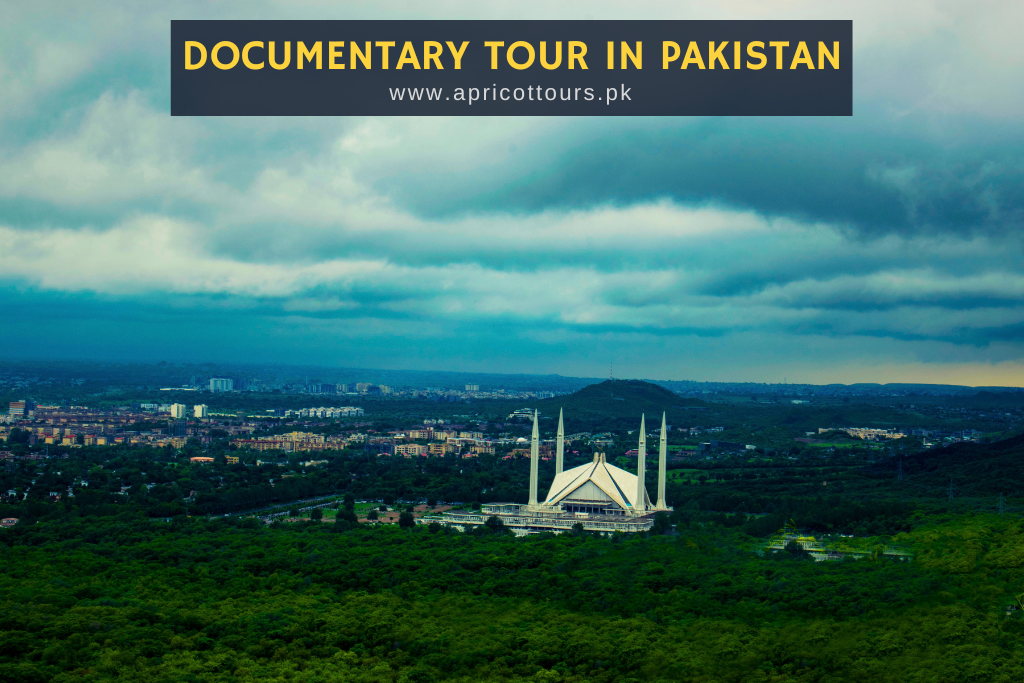
Arrive in Islamabad and begin the Documentary Tour of Pakistan with an introduction to the city's urban identity. Film the Pakistan Monument, Faisal Mosque, public areas, and views of the Margalla Hills. Capture establishing video that contrasts planned avenues, modern government districts, and the surrounding hills. Meet the local production team, go over filming objectives, confirm clearances, and prepare equipment for the drive to Chitral.
On this Day
Continue to chronicle Islamabad through selected cultural and civic sites that assist introduce current Pakistan. Document street scenes, local markets, architecture, transportation, and everyday public life while conducting interviews about urban growth and national identity. Visit Lok Virsa or a similar cultural institution to gain visual context for local traditions. Finish the city phase by sorting footage and getting ready for the travel from Islamabad to Chitral.
On this Day
Travel from Islamabad to Chitral to experience the Hindu Kush environment, which determines much of northern Pakistan's cultural geography. Capture changing terrain, wayside towns, river valleys, mountain routes, and travel sequences that mark the move from the capital to a remote highland region. After arriving in Chitral, film introductory shots of the town, surrounding mountains, traditional architecture, and local streets while creating the documentary story for the Kalash Valleys.
On this Day
Investigate Chitral as a documentary subject centered on history, mountain life, and regional identities. Film the surroundings of Chitral Fort, including the Shahi Mosque, the bazaar, river scenery, and local streets as suitable. Arrange interviews with locals, historians, artisans, and guides to learn about Chitral's location between the Hindu Kush and nearby regions. Before proceeding to the Kalash valleys, take contextual footage of crafts, food, architecture, and daily routines.
On this Day
Travel from Chitral to Bumburet Valley, one of the main Kalash valleys, and begin filming with due regard for local customs. Photograph wooden cottages, cultivated slopes, village roads, local crafts, agricultural activities, and the surrounding mountain scenery. Visit the Kalasha Dur Museum for cultural context, if entry is available. Before recording people, houses, ceremonies, or private locations, seek agreement and keep community engagement at the forefront of the documentary process.
On this Day
Continue the Kalash documentary portion with travels to Bumburet and Rumbur Valleys, when road conditions allow. Document ancient settlement patterns, farming landscapes, watercourses, orchards, handicrafts, and community places without invading private or holy sites. Conduct pre-planned interviews with residents regarding language, seasonal traditions, livelihoods, and cultural continuity. Follow local guidelines scrupulously, especially while photographing or recording people, religious sites, festivals, or home activities.
On this Day
From the Kalash lowlands, go through Upper Chitral, Mastuj, and Laspur to Shandur Pass. Along the way, capture footage of the high alpine plateau, Shandur Lake, polo fields, grazing landscapes, and mountain settlements. Cross into Gilgit-Baltistan and head toward Phander Valley, taking note of the shifting terrain and distant communities. Reach Phander for a documentary video of the lake, river, meadows, farming, and nearby mountains.
On this Day
Continue from Phander to Gilgit via Khalti, Gupis, Gahkuch, and the Ghizer Valley. Film the Ghizer River, wayside communities, agricultural terraces, bridges, and shifting mountain landscapes on this vital western approach to Gilgit. Capture journey sequences that demonstrate how isolated valleys connect to major regional centers. When you arrive in Gilgit, photograph chosen streets, marketplaces, river views, and local activity before continuing to Hunza.
On this Day
Travel from Gilgit to Hunza via the Karakoram Highway, filming magnificent mountain views, river valleys, wayside towns, and shifting landscapes. Continue to Karimabad to capture the valley's ancient essence through traditional buildings, orchards, bazaars, and breathtaking mountain views. Visit Baltit and Altit Forts, subject to filming permission, while creating stories about historical conservation, tourism, agriculture, architecture, and Hunza's cultural identity.
On this Day
Explore Upper Hunza through documentary stops at Attabad Lake, Gulmit, Hussaini, and Passu. The film features turquoise water, tunnels, suspension bridges, hamlet settings, farmed fields, and the breathtaking Passu Cones. Record community viewpoints on tourism, transportation links, agriculture, environmental change, and mountain livelihoods in locations where interviews are scheduled. Include close-up shots of local buildings, food, handicrafts, and daily routines to supplement the larger Karakoram scenery scenes.
On this Day
Leave Hunza and proceed to Skardu, capturing the change from the Hunza and Nagar valleys to Baltistan. Photograph river confluences, sheer rock faces, mountain roads, communities, and expansive landscapes along the way. Use roadside scenes and interviews to explain travel, geography, and regional relationships in Gilgit-Baltistan. Reach Skardu and film an overview of the valley, surrounding mountains, local streets, river plains, and traditional constructed surroundings.
On this Day
Explore Skardu as a documentary location for Balti culture, scenery, and daily life. Film the Katpana Cold Desert, neighboring communities, river views, markets, traditional architecture, and mountain backdrops when access permits. Set up interviews with locals, guides, crafters, or cultural experts regarding agriculture, tourism, history, and changing livelihoods. Capture comprehensive visuals of local food, crafts, residences, and natural differences to help develop the Baltistan chapter.
On this Day
Travel from Skardu to Shigar Valley for a documentary on Balti culture, architecture, agriculture, and rural life. Permission is granted to film Shigar Fort, as well as village streets, orchards, irrigation channels, farms, and mountain vistas. Explore tales about heritage conservation, traditional construction, local craftsmanship, and tourism. Include community interviews and observational footage before returning to Skardu with more cultural and landscape material from Baltistan.
On this Day
Fly from Skardu to Islamabad and capture the transition from the spectacular vistas of Baltistan to the plains surrounding the city. Take aerial or ground footage where permissible, focusing on changing vistas and visual sequences that connect the northern region to Islamabad. Upon arrival, arrange and back up all documentary video, conduct interviews, locate missing sequences, and plan the production schedule for the upcoming archeological and historical chapters in Taxila and Lahore.
On this Day
Travel from Islamabad to Taxila to document one of Pakistan's most significant archaeological sites. Film allowed for the preservation of ancient remnants and museum surroundings while telling stories about Gandharan civilization, Buddhism, trade routes, and cultural interchange. Continue toward Lahore, taking notes on agricultural fields, towns, highways, and shifting settlement patterns throughout Punjab. Reach Lahore and work on the final documentary chapter about Mughal heritage, living traditions, and urban culture.
On this Day
Finish the Documentary Tour in Pakistan by filming in Lahore's historic and cultural neighborhoods. Document the Walled City, Lahore Fort, Badshahi Mosque environs, traditional bazaars, crafts, street life, and Shalimar Gardens as permitted. Arrange interviews with historians, craftspeople, citizens, and cultural specialists to relate Mughal heritage to modern-day Lahore. Complete the last establishing footage, analyze the remaining production requirements, and compile the documentary material collected around Pakistan.
Dates & Cost – Documentary Tour in Pakistan
All seasons are considered good for the tour. Considering the inflow of tourists all year round, our dates are open throughout the year, and your bookings will be 100% guaranteed even if you are a single traveler. Our prices and dates for this tour (all seasons) are given below.
| Season | Months | Tour Start Date | Price Per Person (USD) | Minimum Travellers Required | Register |
|---|
| Winter | Mid-November to February, 2026 | Daily | 2080 | 1 pax | BOOK NOW |
| Spring | March to May, 2026 | Daily | 2080 | 1 pax | BOOK NOW |
| Summer | June to Mid- September, 2026 | Daily | 2080 | 1 pax | BOOK NOW |
| Autumn | Mid-September to Mid November, 2026 | Daily | 2080 | 1 pax | BOOK NOW |
| Season | Months | Tour Start Date | Price Per Person (USD) | Minimum Travellers Required | Register |
|---|
Holiday Information
Highlights
The tour has a lot to offer. The main highlights are given below.
highlights-documentary-tour-in-pakistan
transparent
600
#004b91
- Document distinctive traditions across the Kalash Valleys.
- Cross dramatic landscapes surrounding Shandur Pass.
- Capture lakes and meadows throughout Phander Valley.
- Record mountain life across the historic Hunza Valley.
- Film turquoise waters beside iconic Attabad Lake.
- Document dramatic peaks around Passu Cones.
- Explore Balti heritage throughout Skardu and Shigar.
- Capture Gandharan history across ancient Taxila sites.
- Film Mughal heritage inside historic Lahore.
- Document contemporary culture across Islamabad landmarks.
tripadvisor-reviews
transparent
600
#00a680
Overview – Documentary Tour in Pakistan
The Documentary Tour in Pakistan takes filmmakers, photographers, and storytellers on an immersive trip through various landscapes, cultures, and people. The route begins in Islamabad and continues to Chitral and the beautiful Kalash valleys. From there, visitors can traverse Shandur Pass and experience Phander’s lakes, meadows, farms, and mountain communities. Furthermore, Gilgit serves as an entrance to Hunza, where forts, towns, orchards, glaciers, and Karakoram beauty enhance visual storytelling. Upper Hunza includes Attabad Lake, Gulmit, Passu, and traditional communities, resulting in a diverse variety of documentary subjects spanning one magnificent location. As a result, each visit provides a unique opportunity for interviews, observational filming, landscape sequences, and cultural recording.
The voyage continues to Skardu and Shigar, where the Balti heritage, deserts, architecture, and mountain life provide more dimension. After returning to Islamabad, the group explores Taxila’s significant archeological remnants and Gandharan heritage. Finally, Lahore boasts Mughal architecture, old bazaars, crafts, culinary traditions, and a thriving urban culture. As a result, the Documentary Tour mixes natural beauty with living legacy and captivating human stories. It also promotes meaningful storytelling by highlighting local viewpoints, traditional livelihoods, historical contexts, and changing mountain communities. Throughout the journey, responsible filming and community consent are crucial, especially in culturally sensitive areas.
CUSTOMIZE MY TOUR
Website Last Updated: January 15, 2026
Rating
User Rating
5 based on 1 votes
Company
Apricot Tours Pakistan
Adventure
Documentary Tour in Pakistan
Price
USD 2,080
Product Availability
Available in Stock