General
Location Scouting Tours in Pakistan – 21 Days (2026-27)
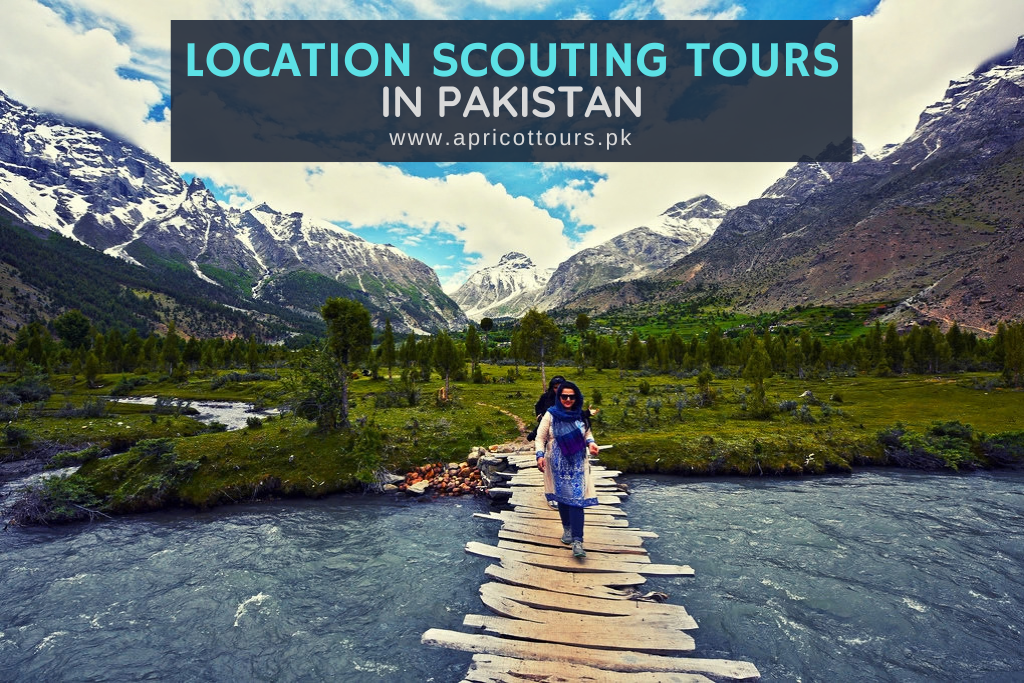
Location scouting tours in Pakistan provide a practical means for filmmakers, producers, photographers, and creative teams to uncover unique filming sites. Pakistan has tremendous visual variety, ranging from spectacular Karakoram mountains to historic cities and desert surroundings. Furthermore, each tour helps assess access, logistics, infrastructure, and production needs. As a result, teams may effectively assess venues, discover viable alternatives, and develop superior production plans before filming begins.
In addition to this tour, we also offer the following Photography Tours in Pakistan, as shown in the table below.
WordPress Tables Plugin
Itinerary – Location Scouting Tours in Pakistan
The itinerary for the tour is given below.
On this Day
Arrive in Islamabad and start your Location Scouting Tours in Pakistan with a production briefing. Examine the creative brief, preferred landscapes, architectural styles, access constraints, personnel demands, and permit restrictions. Scout specific areas of Islamabad for modern boulevards, government architecture, open spaces, hillside views, and controlled urban environments. Save reference photos, access notes, parking choices, local lodging, and potential production support spots for subsequent comparison.
On this Day
Continue exploring across Islamabad and Rawalpindi to evaluate different metropolitan surroundings. Visit vistas in the Margalla foothills, landscaped avenues, commercial districts, historic bazaars, railroad stations, and older residential streets. Evaluate traffic patterns, crowd control requirements, equipment accessibility, background noise, vehicle positioning, and adjacent amenities. The scouting crew collects visual references and selects locations that are appropriate for modern, historical, commercial, documentary, and street-based production concepts.
On this Day
Travel from Islamabad to Chitral, where you will encounter the stunning Hindu Kush mountain landscape. Use the travel as an active scouting route, noting river valleys, mountain routes, tunnels, communities, roadside architecture, and potential landscape views. When you arrive in Chitral, look for accessible urban and valley locations with potential for manufacturing. Before traveling to remote areas, consider road width, vehicle access, local accommodations, communications, crew staging options, and logistical considerations.
On this Day
Scout Chitral and go on to the Kalash Valleys, where mountain scenery blends with diverse habitation patterns and cultural settings. Explore appropriate sites near Bumburet while respecting local populations, traditions, and private spaces. Evaluate the visual attractiveness of village approaches, wooden buildings, orchards, streams, slopes, and neighboring ridgelines. Before filming in culturally sensitive areas, document the access restrictions, potential unit bases, equipment movement, accommodation choices, and any approvals required.
On this Day
Leave the Kalash region and go to Phander via the highland route linked with Shandur Pass, subject to seasonal road conditions. Observe the changing vistas along the way, which include rugged valleys, open plateaus, mountain villages, rivers, and high passes. Continue into Ghizer to reach Phander, which is famed for its lakes, meadows, farming, and mountain views. Document potential establishing shots, road access, production vehicle limits, weather exposure, and lodging alternatives.
On this Day
Before heading to Gilgit, explore Phander's Lake, river corridors, agricultural areas, village settings, and expansive mountain backdrops. The route via Ghizer offers extra scouting possibilities around valleys, bridges, roadside villages, and shifting landscapes. In Gilgit, assess real production infrastructure as well as possible urban locations. Examine housing capacity, transportation assistance, equipment storage, communications, vehicle access, and potential staging places for later filming in Gilgit-Baltistan.
On this Day
Depart Gilgit for Hunza, surveying sections of the Karakoram Highway and adjoining mountain passages. Stop at appropriate vistas where river valleys, exposed rock faces, wayside communities, bridges, and majestic summits form compelling cinematic compositions. Continue toward Karimabad and investigate access to central Hunza. Record production access, parking space, pedestrian flow, power availability, local lodging, and scenic perspectives suited for producing landscapes, journey sequences, advertising, and documentary scenes.
On this Day
Spend the day exploring central Hunza, including Karimabad, Altit, Baltit, Ganish, and the surrounding elevated vistas. Observe historic forts, medieval alleys, terraced fields, orchards, stone walls, mountain panoramas, and hamlet architecture from appropriate public places. Consider crowd management, heritage restrictions, equipment accessibility, vehicle limitations, and local support needs. Create an organized visual record that compares large landscapes, architectural features, pedestrian pathways, and possible production bases throughout the valley.
On this Day
Travel to Upper Hunza to explore Attabad Lake, Gulmit, Hussaini, Passu, and the surrounding Karakoram landscape. Consider turquoise water, spectacular cliffs, suspension bridges, town streets, glaciers, and the unique Passu Cones as potential visual locations. Consider roadway pullouts, safe equipment positions, drone limits (if applicable), access to private land, and municipal clearances. Document different perspectives and production logistics for commercials, feature films, documentaries, and outdoor brand campaigns.
On this Day
Travel from Hunza to Skardu via the changing Karakoram topography, using the trip as continuous location reconnaissance. Scout river confluences, desolate mountain slopes, limited road sections, communities, bridges, and vast valleys where safe access is available. Reach Skardu and assess the city's suitability as a Baltistan production base. Evaluate hotel capacity, vehicle arrangements, equipment handling, communication, local crew assistance, and future access to deserts, lakes, forts, and mountain valleys.
On this Day
Scout Skardu and its neighboring regions, with an emphasis on urban borders, river views, Kachura districts, and the Katpana Cold Desert. Compare lakeside settings, sandy stretches, mountain backdrops, farmed landscapes, roadways, and settlement textures for various production approaches. Evaluate access for equipment vehicles, wind exposure, audience density, parking, power requirements, and appropriate staging places. Take wide photos and practical notes to assist producers in comparing desert, alpine, and semi-urban possibilities.
On this Day
Travel to Shigar Valley to explore heritage and landscape sites such as Shigar Fort, traditional towns, agricultural fields, riverbanks, and mountain passes. Continue to Sarfaranga Cold Desert for vast dunes and spectacular mountain backdrops. Evaluate surface conditions, vehicle access, wind, equipment security, surrounding facilities, and suitable base locations. Heritage properties necessitate unique coordination; therefore, document management contacts, permits, and visual references for each shortlisted place.
On this Day
Continue through Baltistan to Khaplu, where mountain scenery, old buildings, orchards, terraced fields, and traditional towns provide diverse production environments. Scout suitable exterior sites near Khaplu Palace, hamlet alleys, river scenery, and larger valley overlooks while adhering to property and community guidelines. Evaluate road access, lodging, equipment movement, communication, local transportation, and prospective crew bases. Document alternative compositions that blend Balti traditions with the surrounding Karakoram landscapes.
On this Day
Fly from Skardu to Islamabad, completing the journey from mountain scouting in Baltistan to cultural and history sites in Punjab. Upon arrival, consolidate the photos, coordinates, access observations, and permission notes gathered on the northern route. Evaluate nominated venues for visual quality, production practicality, crew mobility, lodging, and transportation, as well as backup possibilities in the event of inclement weather, road conditions, heritage regulations, or municipal constraints.
On this Day
Travel to Lahore to analyze Pakistan's largest concentration of Mughal, colonial, commercial, and contemporary urban settings. Conduct a first reconnaissance of important boulevards, older areas, railroad surroundings, public spaces, and outdoor heritage zones. Compare architectural styles, street widths, traffic conditions, pedestrian density, parking options, and production accessibility. Create a shortlist for detailed scouting, differentiating areas that require formal heritage approval from typical commercial or privately managed buildings.
On this Day
Explore the Walled City of Lahore, paying special attention to Lahore Fort, Badshahi Mosque environs, Wazir Khan Mosque approaches, medieval gateways, bazaars, small lanes, and classic façade. These sites offer complex Mughal and urban textures for ancient or contemporary productions. Evaluate pedestrian control, equipment movement, limited areas, heritage permissions, sound levels, and local staging options. Record various possibilities because entry requirements vary amongst monuments, roadways, and privately managed spaces.
On this Day
Travel from Lahore to Multan and explore the city's unique shrine architecture, bazaars, medieval streets, brick facades, and the surrounding South Punjab environment. Examine accessible outdoor areas that can accommodate religious, historical, commercial, and documentary contexts without interfering with worship or community activity. Evaluate road access, parking, crowd movement, equipment placement, accommodations, and local production assistance. Document architectural features and larger streetscapes while noting areas that require advance administrative or property approvals.
On this Day
Continue to Bahawalpur, moving the visual focus to princely-state architecture, broad roadways, old neighborhoods, desert-edge communities, and palace exteriors when access is permitted. Look for metropolitan locations that could accommodate period drama, fashion, documentary, and commercial projects. Consider land ownership, entry regulations, equipment accessibility, local parking, lodging, and staff logistics. Prepare for the Cholistan reconnaissance operation by researching vehicle specifications, supplies, communications, route conditions, and desert entry permissions.
On this Day
Travel to the Cholistan Desert to explore Derawar Fort and the adjacent desert vistas, which include dunes, pathways, vast horizons, towns, and classic desert habitats. Assess four-wheel-drive access, sand conditions, equipment protection, communication, shade, water, vehicle staging, and emergency preparedness. Photograph the fort from approved external vantage points and discover adjacent alternatives for large-scale desert panoramas. Filming in protected historical or privately controlled sites should be coordinated with the appropriate authorities.
On this Day
Return from Bahawalpur to Lahore while exploring more roadside scenery and agricultural areas in Punjab. Use appropriate stops to evaluate canals, farms, villages, highways, industrial fringes, and service infrastructure as secondary locations. Once in Lahore, combine the Punjab scouting material with the northern portfolio. Organize images, access notes, contact information, permit requirements, logistical observations, and backup plans so that each shortlisted location can be compared to the production brief.
On this Day
Conclude the Location Scouting Tours in Pakistan with a methodical analysis of the entire scouting portfolio. Return to specific Lahore locations if more angles, measurements, access checks, or management talks are required. Compare shortlisted locations based on visual appeal, permissions, transportation, lodging, crew access, equipment mobility, environmental conditions, and production assistance. Finalize recommendations, backup locations, outstanding approvals, and practical comments that will help with budgeting, scheduling, and future production planning.
Dates & Cost – Location Scouting Tours in Pakistan
All seasons are considered good for the tour. Considering the inflow of tourists all year round, our dates are open throughout the year, and your bookings will be 100% guaranteed even if you are a single traveler. Our prices and dates for this tour (all seasons) are given below.
| Season | Months | Tour Start Date | Price Per Person (USD) | Minimum Travellers Required | Register |
|---|
| Winter | Mid-November to February, 2026 | Daily | 2730 | 1 pax | BOOK NOW |
| Spring | March to May, 2026 | Daily | 2730 | 1 pax | BOOK NOW |
| Summer | June to Mid- September, 2026 | Daily | 2730 | 1 pax | BOOK NOW |
| Autumn | Mid-September to Mid November, 2026 | Daily | 2730 | 1 pax | BOOK NOW |
| Season | Months | Tour Start Date | Price Per Person (USD) | Minimum Travellers Required | Register |
|---|
Holiday Information
Highlights
The tour has a lot to offer. The main highlights are given below.
highlights-location-scouting-tours-in-pakistan
transparent
600
#004b91
- Explore Hunza for cinematic mountain location scouting.
- Discover Skardu deserts, lakes, and dramatic backdrops.
- Scout Kalash Valleys for distinctive cultural landscapes.
- Experience Phander Valley for lakeside production settings.
- Explore Shigar for heritage and desert locations.
- Discover Khaplu for traditional architecture and scenery.
- Scout Lahore for Mughal and urban settings.
- Explore Multan for historic streets and shrines.
- Discover Cholistan Desert for expansive cinematic landscapes.
- Evaluate Islamabad for modern production environments.
tripadvisor-reviews
transparent
600
#00a680
Overview – Location Scouting Tours in Pakistan
Location Scouting Tour in Pakistan provides filmmakers, producers, photographers, and creative teams with access to an incredible variety of visual surroundings. From Islamabad’s contemporary avenues, the route can be extended to Chitral, Hunza, Skardu, and other northern valleys. These areas have spectacular mountains, glaciers, lakes, deserts, forts, settlements, and meandering roads. Furthermore, Pakistan’s national film strategy promotes the country’s cultural richness, natural attractiveness, and distinctive filming sites. The proposal also recommends establishing a national location library for filmmakers. Scouting excursions can assist teams in assessing landscapes, architectural styles, access circumstances, and practical requirements before filming. Scouts can also locate backup areas in case production conditions change.
Beyond the northern mountains, Location Scouting Tours may include visits to Lahore, Multan, Bahawalpur, and the Cholistan Desert. As a result, teams can assess Mughal architecture, medieval streets, shrines, palaces, bazaars, desert landscapes, and modern urban surroundings. Pakistan’s official tourist resources emphasize the country’s extraordinary geographic diversity, particularly in Gilgit-Baltistan. Each scouting trip can look into road access, lodging, parking, equipment transportation, local support, and any permission requirements. Meanwhile, reference images and location notes allow producers to effectively compare shortlisted venues. Finally, these tours benefit documentaries, commercials, feature films, television programs, and branded content in Pakistan.
CUSTOMIZE MY TOUR
Website Last Updated: January 15, 2026
Rating
User Rating
5 based on 1 votes
Company
Apricot Tours Pakistan
Adventure
Location Scouting Tours in Pakistan
Price
USD 2,730
Product Availability
Available in Stock